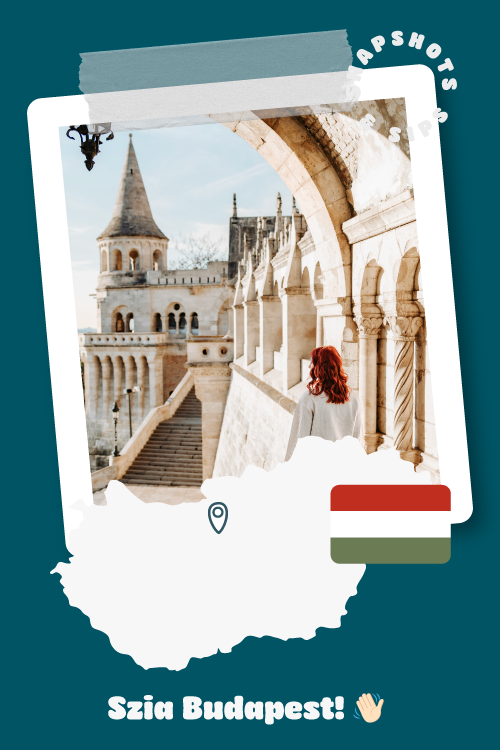
Budapest Guide

Budapest is Hungarys capital city.
With 1.6 million residents it is the 10th largest city in the Europe. And Budapest has a lot to offer. The city is perfect for a 3- to 5-day trip.

With its impressive architecture, thermal baths, many green spaces, a (hidden) library and delicious food – Budapest is well worth a visit.

Filter Posts by Interest

Chasing Views: Postcard Snaps & Sights


Budapest
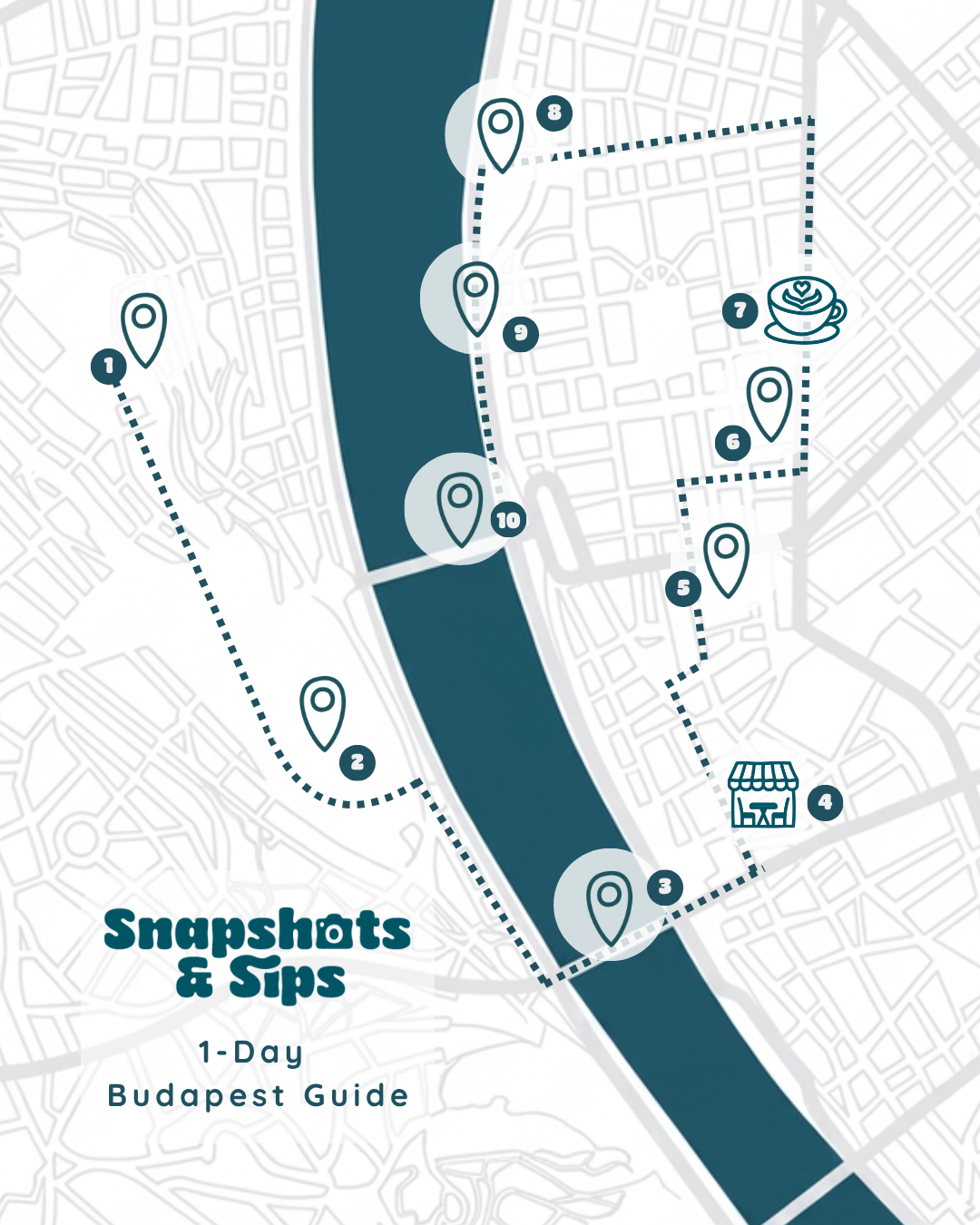
1-Day Walking Tour

Want to make the most of your visit to Budapest?

Go to blogpost


Delightful Moments: Sips & Savors


Budapest was originally two independent cities – Buda and Pest – until they united in 1873. Today, the vibrant capital is split into 23 districts, and it’s easy to explore Budapest on foot.

Much of central Budapest has a surprisingly fresh look. That’s because many iconic landmarks were heavily damaged or destroyed during the Siege of Budapest (1944–45). After 1945, these were rebuilt. The result is a beautiful blend of rich history and carefully restored architecture.

Country:

Hungary

Language:

Hungarian (Magyar)

Currency:

Hungarian Forint (HUF)

Time Zone:

CET/CEST


“Hello” in Hungarian is “Szia” (sija),
“Thank you” is “Köszönöm” (kö-schö-nöm).

My 3 Highlights

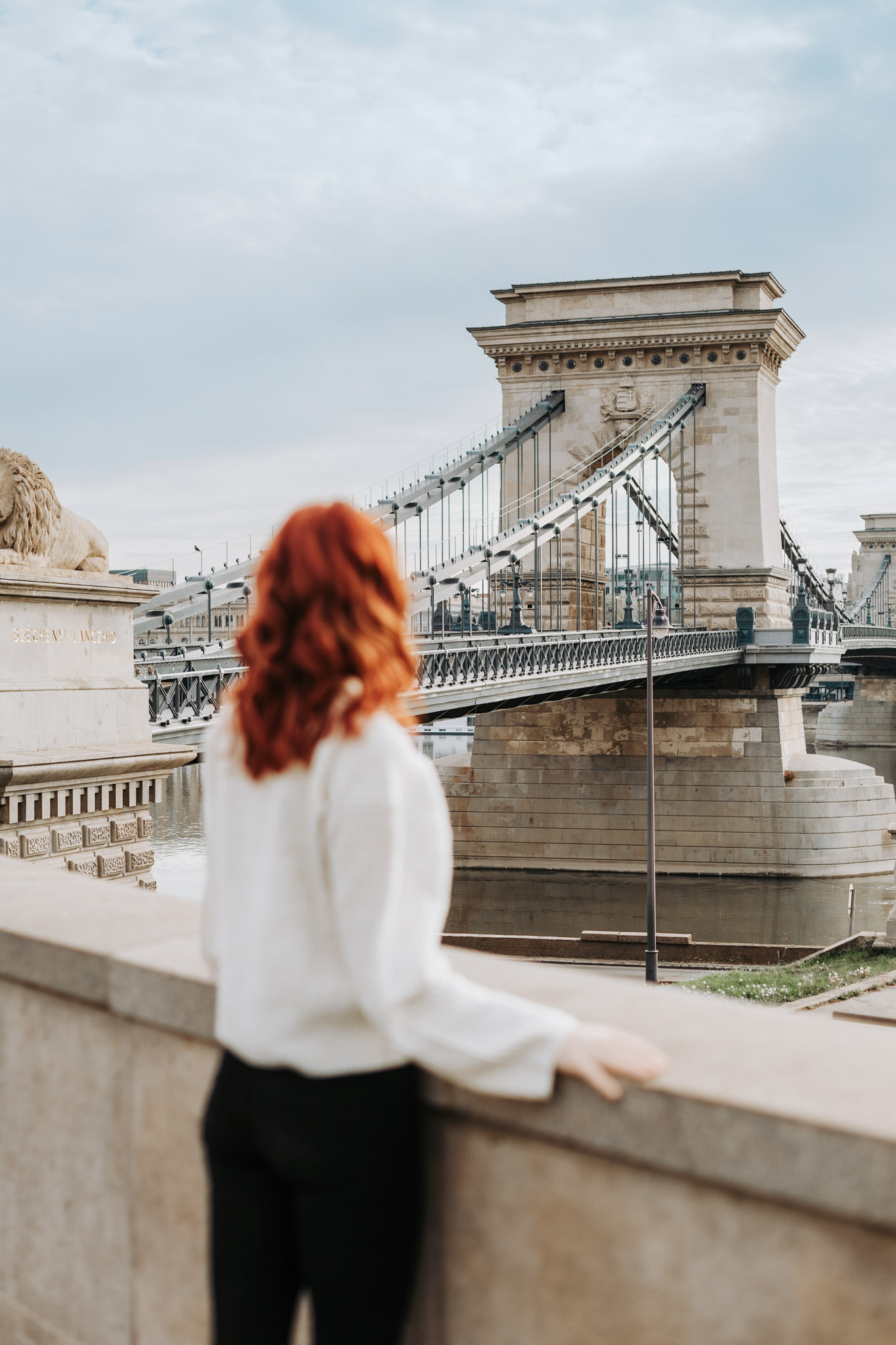
Chain Bridge

Go to Blogpost

Metropolitan Ervin Szabó Library

Go to Blogpost

Eating Chimney Cake

Go to Blogpost

Frequently Asked Questions

The fastest, most convenient, and most cost-effective way to get downtown is by taking the 100E Airport Express bus. The bus stop is located directly outside the arrivals terminal between Terminal 2A and 2B. It operates 24/7, with departures as frequent as every 6 to 10 minutes during peak daytime hours.

The 100E Airport Express takes about 40 minutes to reach downtown and drops passengers off at three highly central stations in the heart of the city: Kálvin tér, Astoria, and Deák Ferenc tér.

Ticket Price: A single one-way ticket for the 100E costs 2,500 HUF (approximately €6.50–€7.00).

Booking Tip: Please note that standard transit tickets or multi-day travel passes do not cover this express service. You must purchase a dedicated “Airport shuttlebus single ticket”. 
You can easily buy this using your credit card at vending machines right outside the terminal, Pay&GO or download the official BudapestGO app to purchase a digital ticket before you even land.

Yes, Budapest is widely considered one of the safest capital cities in Europe for solo travelers.

The city maintains a vibrant, well-lit atmosphere late into the night. Like any major city, your biggest concern will be petty theft or minor scams in crowded areas. Just keep an eye on your belongings while walking through the city or using public transport.

Yes, the tap water in Budapest is completely safe and healthy to drink and it meets strict European Union health standards.

The city’s water supply comes from natural, filtered deep-water wells along the Danube River. Skipping single-use plastic bottles will save you money and keep your trip eco-friendly. Bring a reusable water bottle and fill up at your hotel or the various public drinking fountains scattered around the city’s parks.

The official currency is the Hungarian Forint (HUF). While Hungary is part of the European Union, it does not use the Euro.

You do not need to carry much physical cash. Budapest is a highly digital city where almost every restaurant, ruin bar, taxi, and museum accepts major credit cards, or mobile payments.

💡Whenever you have the choice to pay in your home currency or local HUF on the card terminal, always choose HUF to avoid terrible bank conversion rates.

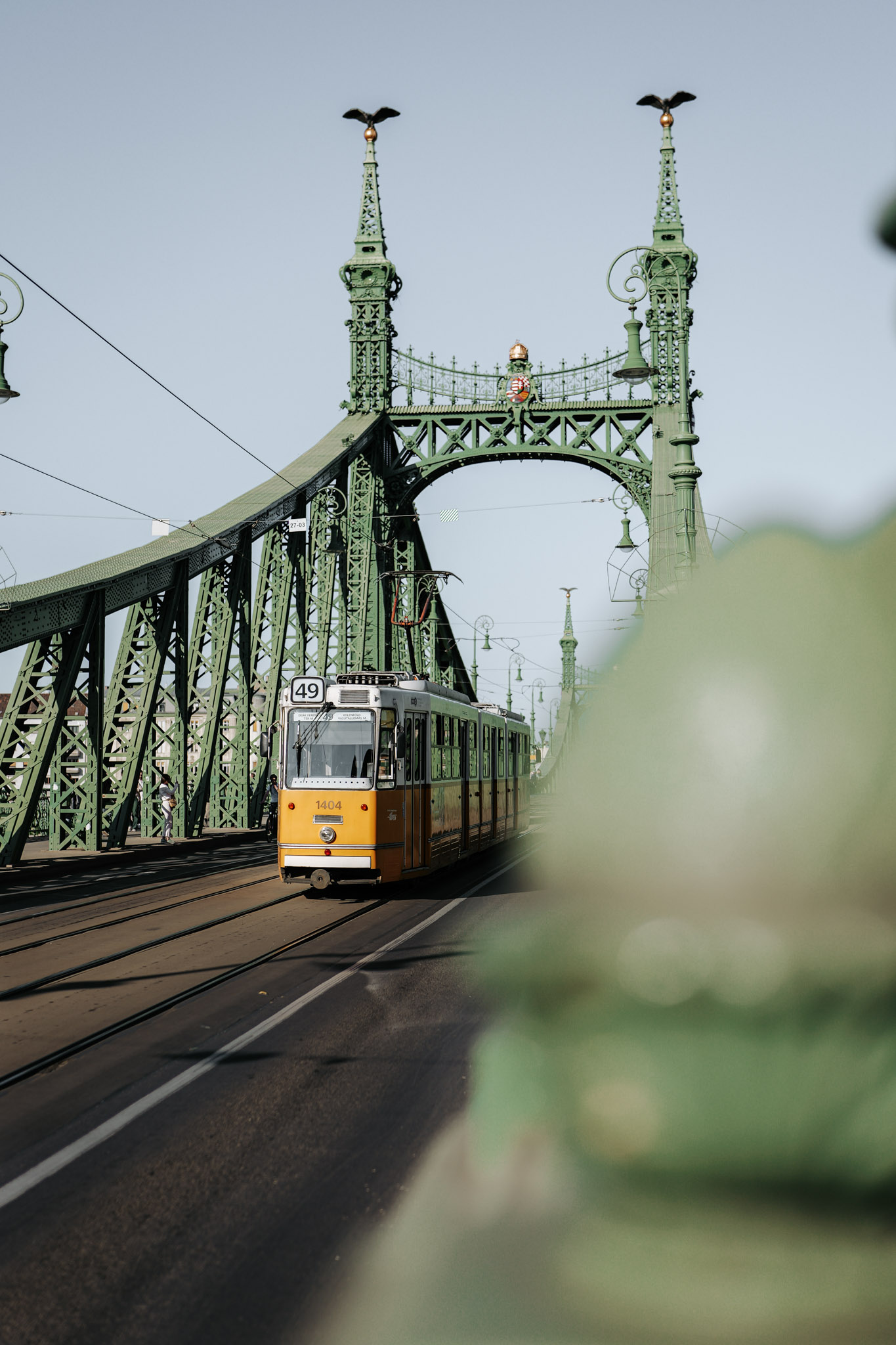
Budapest is incredibly easy to navigate using its highly affordable public transportation network, combined with being a deeply walkable city. The centerpiece of the transit system is the iconic Tram 2, which hugs the Danube and doubles as a cheap scenic tour, alongside four efficient metro lines and a dense network of buses.

If you prefer to explore on foot, the city is geographically straightforward. The flat Pest side is perfect for walking through historic avenues, while the hilly Buda side offers rewarding uphill strolls to panoramic viewpoints.

For seamless transit, you can purchase tickets or multi-day passes directly on your phone using the official BudapestGO app. Or you use Pay&GO (tap-to-pay) which is available on all Budapest metro lines (M1, M2, M3, M4) and the 100E Airport Express bus. Simply tap your contactless bank card, smartphone, or smartwatch at the electronic validator when entering. Your card acts as your ticket and proof of purchase during a ticket inspection.

Budapest is internationally renowned for its dramatic architecture, its thermal bath culture, and a nightlife scene that you won’t find anywhere else in the world.

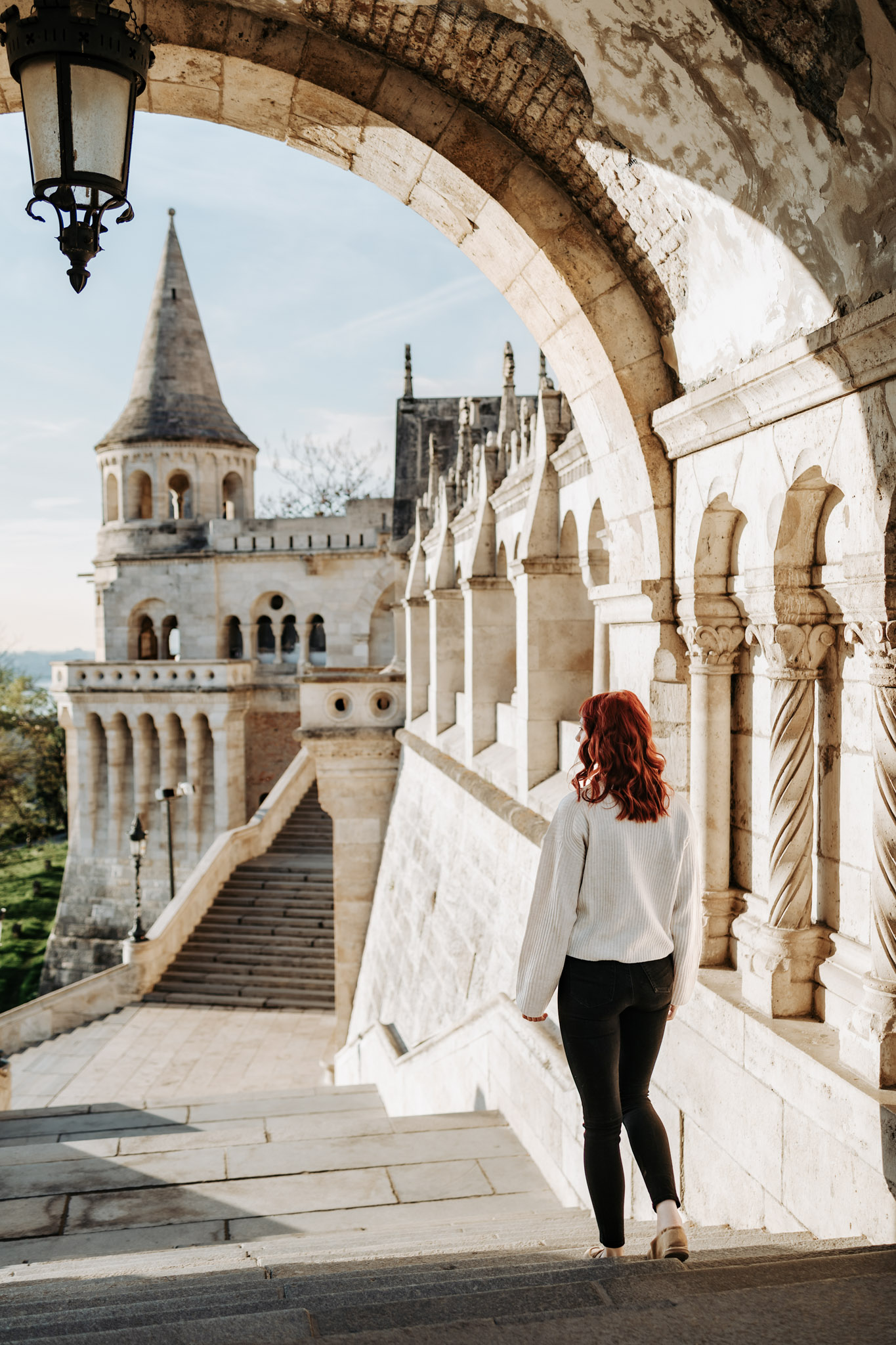
The city’s skyline is defined by architectural masterpieces. You can tour the breathtaking Hungarian Parliament Building on the banks of the Danube, look out over the city from the fairy-tale towers of the Fisherman’s Bastion, or explore the historic complex of Buda Castle. As night falls, the city is famous for its unique Ruin Bars.

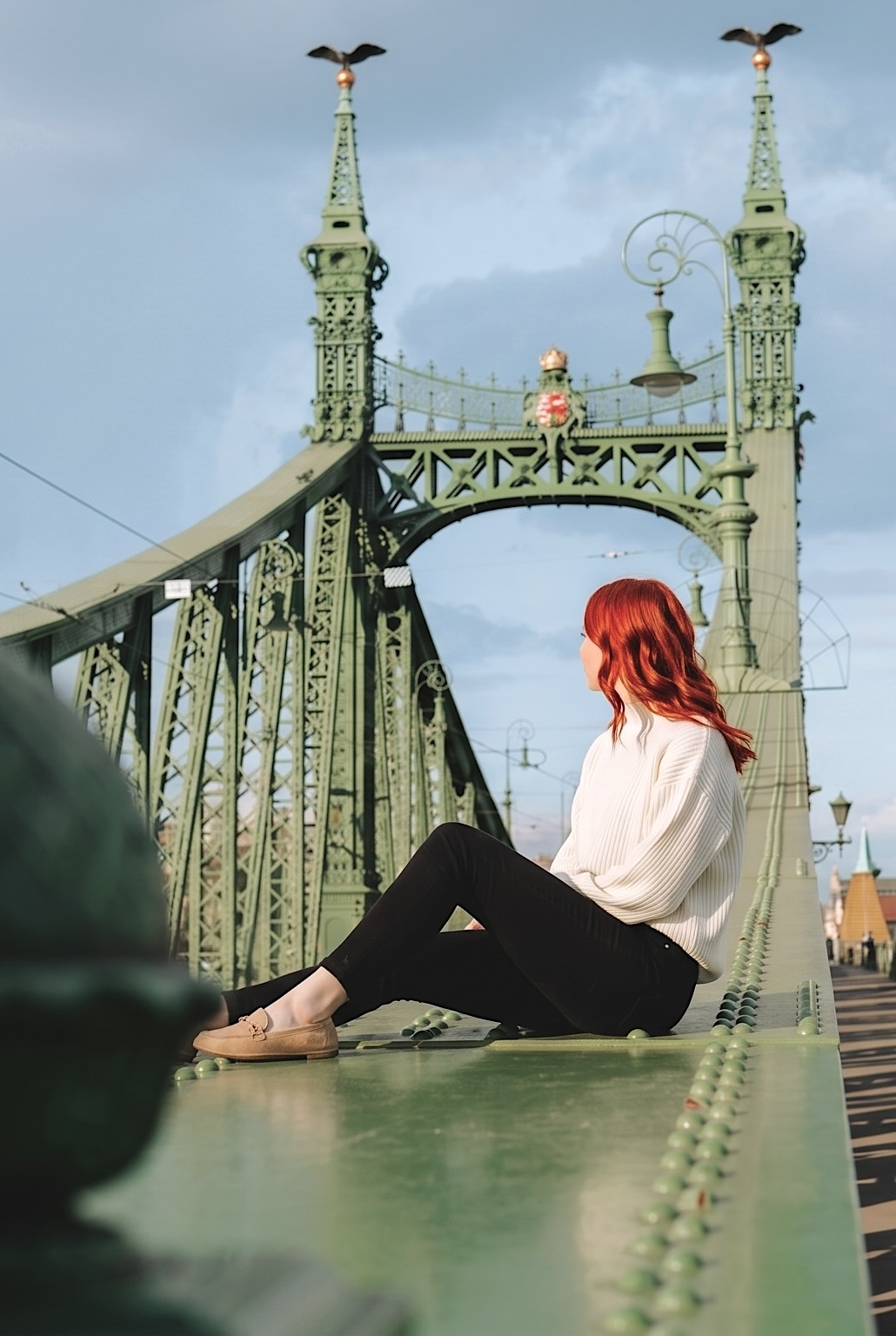
Beyond the iconic Parliament and thermal spas, explore the rich history of St. Stephen’s Basilica, walk across the historic Chain Bridge, marvel at the vibrant green of the Liberty Bridge, or take a sunset Danube River cruise for unparalleled views of the illuminated city. Whether you are hunting for vibrant nightlife in the Jewish Quarter or looking for panoramic photography spots, this Budapest ranks as a top travel destination for a reason.

And of course, no exploration of Budapest’s culture is complete without diving into its legendary street food scene. Make sure to try Lángos – a comforting, savory local dish of deep-fried flatbread traditionally rubbed with garlic, smothered in sour cream and topped with shredded cheese.
For dessert, follow the sweet aroma of caramelized sugar to find a Chimney Cake (Kürtőskalács). This iconic Hungarian pastry is a sweet yeast dough, wrapped around a cylindrical baking spit, baked until crispy on the outside and fluffy on the inside, and then coated it in sugar or rolled in cinnamon, or other various toppings.

If you are an EU citizen, you do not need a visa or entry clearance to visit Budapest.

For travelers from visa-exempt countries (like the US, Canada, UK, and Australia), you can enter Hungary for up to 90 days within a 180-day period without a traditional visa. However, please note that starting in late 2026, the European Union is rolling out the mandatory ETIAS (European Travel Information and Authorization System)It is not a visa, but an online security screening form you must fill out before departing.

The absolute best times to visit Budapest are during the shoulder seasons: Spring (April to May) and Autumn (September to October). During these months, the weather is pleasantly mild (perfect for walking), and the city is far less crowded than in the peak summer rush.

Summer (June to August) brings lively open-air festivals but can get hot and crowded. Alternatively, December is a magical time to visit if you want to experience Budapest’s world-famous Christmas Markets, complete with outdoor ice skating and mulled wine.